




Getting your first 1,000 YouTube views can feel difficult when your channel is new. You may spend hours planning, filming, and editing a video only to see a small number of views after publishing.
The problem is not always content quality. Your topic might be too broad, your thumbnail may not explain the video's value, or viewers might leave before reaching the most useful section.
So, how can you get 1,000 YouTube views for free without using view generators, bots, or paid advertising?
Quick answer: Choose a topic your target audience cares about, make a video that solves a specific problem, optimize its title and thumbnail, improve viewer retention, distribute it through relevant communities, and measure the results in YouTube Analytics. These methods can help attract authentic viewers, although no legitimate strategy guarantees 1,000 views instantly.
This guide covers eight practical strategies for creators who want sustainable growth.
1. Create High-Quality Content That Solves a Real Problem
Choose Topics with Existing Audience Demand
Many beginners create videos around broad interests without asking whether people are actually searching for those topics.
Instead of publishing a video called “Photography Tips,” you could focus on “How to Take Better Product Photos with Your Phone.”
A specific topic helps viewers immediately understand what they will learn.
To find ideas, explore YouTube search suggestions, Google Trends, comments on relevant videos, and common questions in your niche.
You can also study successful videos to identify questions that have not been answered clearly.
Avoid chasing every viral trend. Evergreen tutorials and problem-solving videos can remain useful long after publication.
Improve Video Quality Without Expensive Equipment
You do not need a professional camera to begin building an audience.
A smartphone, adequate lighting, and clear audio can be enough for many educational or lifestyle videos.
Pay particular attention to your video's structure.
Start with a clear promise. Show the problem or expected result before delivering the explanation.
Remove unnecessary introductions and repetitive sections.
Use demonstrations, examples, screen recordings, or graphics when they make information easier to understand.
Before publishing, ask yourself whether someone unfamiliar with your channel would understand the video and benefit from watching it.
Make the First Few Seconds Useful
Viewers should quickly understand why they should continue watching.
For a tutorial, show the outcome or state the problem immediately.
For a product review, explain which decision the video will help the audience make.
Avoid spending the opening minute asking for subscriptions before providing value.
A strong opening cannot guarantee retention, but it gives viewers a clearer reason to stay.
2. Optimize Your YouTube Title and Description
Write Search-Friendly Titles
Your title should accurately describe the content and communicate its main benefit.
Use language that viewers would naturally search for.
For example:
Weak Title | More Useful Title |
| My YouTube Secrets | How to Get Your First 1,000 YouTube Views |
| Video Editing Tips | How to Edit YouTube Videos on Your Phone |
| Grow Your Channel Fast | 7 Organic YouTube Growth Tips for Beginners |
Place the main topic early when doing so makes the title clearer.
Avoid misleading claims, excessive capitalization, or promises that the video cannot fulfill.
A title such as “Get 1,000 YouTube Views Instantly” would be inappropriate for a guide that offers organic growth strategies rather than an instant-view service.
Write a Helpful Video Description
The first lines of your description should explain what the video covers.
Then include useful supporting information, such as relevant resources, chapters, and links to related content.
A basic structure might contain:
- A short summary of the video's main benefit.
- Important points covered.
- Timestamps for longer tutorials.
- Links to related videos or playlists.
- A relevant call to action.
Do not repeat the same keyword excessively.
There is no universal requirement that a description contain a specific number of characters or keyword repetitions to rank.
Write for viewers first.
3. Create Thumbnails That Earn Relevant Clicks
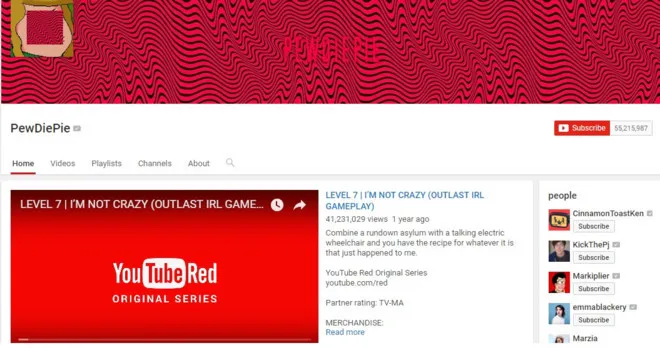
Thumbnails help viewers decide whether a video deserves their attention.
A strong thumbnail usually has one clear idea, recognizable imagery, and readable text.
For a tutorial, you could highlight a before-and-after result.
For a product review, show the product and a concise question that the video answers.
Avoid adding too many unrelated elements.
Match the Thumbnail to the Video
The thumbnail and title should work together.
If the thumbnail promises an impressive result that the video does not deliver, people may click but leave quickly.
You can use Canva or another design tool to create professional-looking images.
You do not need an expensive designer for every upload.
However, thumbnail quality should be evaluated through actual viewer behavior, not personal preference alone.
Review your video's impressions click-through rate in YouTube Studio, and consider improving the thumbnail when sufficient data indicates a problem.
For more ideas, explore 10+ Ways to Increase YouTube Views for Beginners.

4. Encourage Genuine Audience Engagement
Ask Questions That Generate Useful Comments
Audience engagement begins with valuable conversations.
Instead of asking viewers to post generic comments, ask a question related to the video.
For example, after a smartphone video-editing tutorial, ask which editing step viewers find most difficult.
Respond when you can and use recurring questions as inspiration for future videos.
This approach can help build an actual community rather than simply increasing visible engagement numbers.
Avoid using multiple accounts to generate artificial comments or exchange views.
Organize Community Activities Carefully
Challenges, live discussions, and occasional contests can help bring viewers together.
However, participation rules should be clear and comply with YouTube policies.
Do not promise rewards in exchange for artificial engagement or coordinated manipulation of view counts.
For many small channels, hosting a useful question-and-answer session can be more valuable than a giveaway.
5. Share Videos Across Relevant Platforms
Promote Content Where Your Audience Already Exists
You can introduce your videos through Facebook, Instagram, TikTok, online communities, or your own website.
The important part is relevance.
Posting a link repeatedly in unrelated communities is unlikely to build a loyal audience.
Instead, explain why the video is useful.
For example, if your video demonstrates a cooking technique, share a photo of the finished dish and a brief explanation before linking to the full tutorial.
Respect community guidelines and avoid spam.
Use Email and Existing Followers
If you have an email list with appropriate consent, notify subscribers when you publish content they are likely to appreciate.
Include a concise description and a direct link to the video.
Avoid sending promotional messages to people who have not requested them.
Existing followers may be a useful starting audience, but your video's long-term performance still depends on relevance and viewer satisfaction.
Use YouTube Shorts as Supporting Content
A short excerpt can introduce a useful part of a longer video.
Choose a clip that is understandable on its own and leads naturally to the complete topic.
For example, a longer tutorial could be supported by a Short demonstrating one practical step.
Shorts viewers do not automatically become long-form viewers, so evaluate the results rather than assuming every Short will produce additional views.
6. Optimize YouTube SEO and Study Analytics
Research Keywords Based on Search Intent
Think about the exact questions your audience asks.
A narrow keyword such as “how to make a YouTube thumbnail on iPhone” describes a clearer need than the broad phrase “YouTube tips.”
Include relevant terminology naturally in your title and description.
You can also explain the central topic clearly in the video itself.
Keyword tags and repeated phrases are not substitutes for a useful video.
Analyze Competing Videos
Review videos that address the same audience need.
Study their titles, thumbnails, introductions, structure, and common viewer questions.
Identify opportunities to make a more focused, clearer, or more detailed video.
The goal is to understand audience expectations rather than copy another creator's work.
Track the Right YouTube Analytics Metrics
YouTube Studio can help you understand why a video does or does not attract views.
Metric | What It Helps You Understand |
| Impressions | How often your thumbnail appeared on eligible YouTube surfaces |
| Impressions CTR | How often people clicked after seeing an impression |
| Average view duration | How long people watched on average |
| Audience retention | Where viewers continued watching or left |
| Traffic sources | Whether views came from Search, Browse, Suggested, or elsewhere |
If your video receives impressions but few clicks, evaluate the thumbnail and title.
If people click but leave early, investigate the opening and content structure.
If impressions remain low, reconsider the topic, audience demand, and distribution strategy.
Avoid applying one ideal CTR target to every video. Performance varies by traffic source, topic, and audience size.
For more background on network access, Hidemium also has a guide to accessing YouTube with a proxy. Proxies do not generate authentic views or override platform rules.
7. Maintain a Sustainable Publishing Schedule
Publishing regularly helps your team plan work and lets returning viewers know what to expect.
However, YouTube does not require every channel to publish daily.
A sustainable schedule could mean one well-produced long-form video each week, supported by relevant Shorts.
Choose a frequency that allows enough time for research, production, and review.
Do not sacrifice quality simply to maintain an arbitrary upload count.
A 30-Day Action Plan
Period | Recommended Activity |
| Week 1 | Define your audience, research topics, and produce a focused video |
| Week 2 | Publish another video and improve its title and thumbnail |
| Week 3 | Share relevant clips, respond to viewers, and review early data |
| Week 4 | Analyze retention and traffic sources, then plan improvements |
The plan provides structure, not a guarantee of reaching 1,000 views in 30 days.
Your objective is to improve each upload and understand what your audience actually watches.
8. How Hidemium Can Support YouTube Creators
Does Hidemium Increase YouTube Views?
No. Hidemium is not a YouTube view generator.
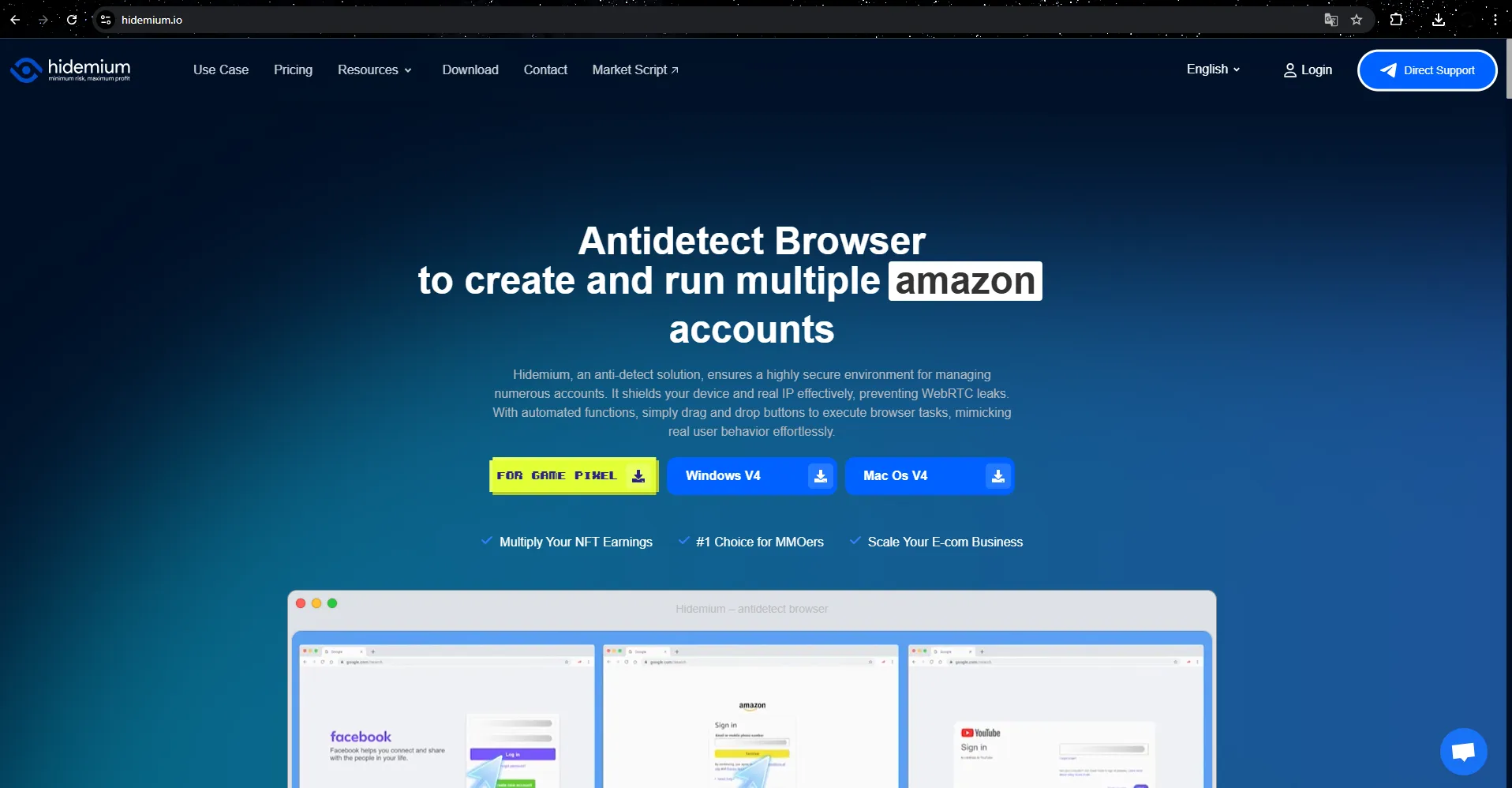
Hidemium is an antidetect browser designed to manage separate browser profiles and browser environments.
Profiles can maintain distinct browser configurations, cookies, and session information.
This can help agencies and businesses organize legitimate, authorized workflows.
However, Hidemium does not create real viewers, guarantee channel growth, or prevent all account restrictions.
When Might Creators Need Hidemium?
An individual creator managing one YouTube channel may not need an antidetect browser.
YouTube Studio, video-editing software, good recording equipment, and a content strategy are usually more directly relevant.
Hidemium may become useful when a team needs to organize separate authorized browser environments across multiple projects.
For example, an agency could maintain structured browser profiles for different clients to reduce operational confusion.
Every account must still be used according to the relevant platform's access and security requirements.
Avoid Misleading Security Claims
Do not assume antidetect browsers never store cookies or provide complete anonymity.
Likewise, browser fingerprint management does not guarantee that a channel will avoid restrictions.
Using browser profiles or proxies to manufacture artificial video views is not a sustainable growth strategy and may violate YouTube's policies.
If you need profile management for legitimate business workflows, explore Hidemium or visit the official download page.
9. Frequently Asked Questions
Can You Get 1,000 YouTube Views for Free?
Yes. Paid advertising is not required to attract views. However, no legitimate organic strategy guarantees a fixed number of views or a particular timeline.
How Can I Get 1,000 YouTube Views Fast Without Bots?
Focus on a specific audience need, create a compelling but accurate title and thumbnail, improve the opening, and share the video with relevant viewers. Avoid services promising instant artificial views.
Why Does My New YouTube Video Have Zero Views?
First, make sure the video is public. Then review impressions, traffic sources, click-through rate, and retention in YouTube Studio to identify areas for improvement.
Should I Upload Every Day?
Not necessarily. A consistent schedule that preserves content quality is more valuable than frequent uploads that your team cannot sustain.
Will Repeatedly Watching My Own Video Increase Views?
You should not use repeated self-views to manipulate performance. Invalid or artificial traffic may be excluded from YouTube's counts.
Can Hidemium Help Me Get More YouTube Views?
Hidemium does not generate authentic views. It can help organize authorized browser environments, while real channel growth depends on content and audience interest.
10. Conclusion
Getting your first 1,000 YouTube views without paid ads is possible, but it requires an audience-focused strategy rather than shortcuts.
Choose specific topics, create valuable videos, optimize titles and thumbnails, build genuine engagement, and use YouTube Analytics to improve your work.
Instead of searching for a tool that promises instant views, focus on making videos people genuinely want to watch.
That is a stronger foundation for long-term channel growth.