

What Is an Anti-Fingerprinting Browser?
An anti-fingerprinting browser — also called an antidetect browser — is a specialized browser designed to mask or spoof the unique digital fingerprint your device broadcasts to every website you visit. Unlike a regular browser or even a VPN, an antidetect browser gives each browsing session a completely separate, unique identity at the hardware and software level.
In 2026, browser fingerprinting has become one of the most powerful tracking and account verification methods used by platforms like Facebook, Google, Amazon, and TikTok. If you're managing multiple accounts, running ad campaigns, or doing affiliate marketing, understanding how fingerprinting works — and how to defeat it — is no longer optional.
![Browser Fingerprinting Protection 2026 [Prevent Fingerprints]](https://www.cloudwards.net/wp-content/uploads/2023/05/How-to-Prevent-Browser-Fingerprinting-Protection-You-Need1-800x480.png)
What Is Browser Fingerprinting?
Browser fingerprinting is a technique websites use to identify and track users based on a combination of technical characteristics collected from your browser and device. Unlike cookies, fingerprinting doesn't require storing anything on your computer — the website silently collects data and builds a profile of you.
Here's what a browser fingerprint typically includes:
- User-Agent: Your browser name, version, and operating system
- Screen resolution and color depth
- Installed fonts and plugins
- Canvas fingerprint: A unique image rendered by your GPU
- WebGL fingerprint: Graphics rendering characteristics
- Time zone and language settings
- Hardware concurrency (CPU cores) and device memory
- Audio fingerprint
When combined, these parameters create a fingerprint that is unique to your device — often more reliable than an IP address for identification. Even if you switch proxies or use incognito mode, your fingerprint remains the same.
Why Regular Browsers and VPNs Aren't Enough
Many people assume that using incognito mode or a VPN protects them completely. This is a common misconception:
- Incognito mode only prevents your browser from saving local history. It does nothing to mask your fingerprint — every website you visit still sees the same unique combination of hardware and browser parameters.
- VPNs change your IP address but leave your browser fingerprint completely untouched. Platforms can still identify you by your fingerprint even when your IP changes.
Anti-fraud systems used by major platforms are sophisticated enough to flag accounts that share identical fingerprints. If two accounts log in from the same fingerprint, even from different IPs, both are likely to get banned.
How an Anti-Fingerprinting Browser Works
An anti-fingerprinting browser like Hidemium works by creating isolated browser profiles, each with its own spoofed fingerprint. Here's what happens under the hood:
- Canvas and WebGL spoofing: Each profile renders unique canvas signatures so tracking scripts can't identify you
- Custom User-Agent strings: Each profile reports a different browser and OS combination
- Unique font sets: Different profiles expose different installed fonts to fingerprinting scripts
- Timezone and geolocation matching: The browser timezone is synced with your proxy's geographic location
- Hardware parameter spoofing: CPU cores, device memory, and screen resolution can be configured per profile
- Profile isolation: Cookies, cache, and storage are completely separate between profiles — no data leaks between accounts
Who Needs an Anti-Fingerprinting Browser?
Anti-fingerprinting browsers are used across a wide range of legitimate professional use cases:
- Affiliate marketers who manage multiple ad accounts across Facebook, Google, and TikTok
- E-commerce sellers running multiple storefronts on Amazon, eBay, or Shopify
- Social media agencies managing accounts for multiple clients
- Web scraping professionals who need to bypass bot detection
- Crypto and airdrop hunters managing multiple wallets and profiles
- Privacy-conscious users who don't want to be tracked across the web
Key Parameters to Check When Evaluating Anti-Fingerprinting Browsers
Not all antidetect browsers offer the same level of protection. When evaluating options, look for these critical capabilities:
- Canvas/WebGL spoofing quality: Does it pass fingerprint checkers like Pixelscan and iphey?
- Proxy integration: Does it support HTTP, SOCKS5, and residential proxies?
- Profile management: Can you create, organize, and share browser profiles easily?
- Automation support: Does it integrate with Selenium, Puppeteer, or similar tools?
- Team collaboration: Can multiple team members access profiles simultaneously?
Why Hidemium Is the Anti-Fingerprinting Browser for 2026
Hidemium is built specifically for professionals who need reliable multi-account management without the risk of detection. Here's what sets it apart:
- Complete fingerprint spoofing: Canvas, WebGL, fonts, User-Agent, timezone, and hardware parameters are all customizable per profile
- Built-in proxy management: Add and rotate proxies directly within the app with automatic geo-matching
- Drag-and-drop automation: Automate repetitive tasks without coding — perfect for social media management and e-commerce operations
- Team profiles: Share and manage profiles across your team with role-based permissions
- Regular updates: Hidemium continuously updates its fingerprint database to stay ahead of platform detection systems
Whether you're running 5 accounts or 500, Hidemium gives you the fingerprint control you need to operate safely and at scale.
How to Get Started with Hidemium
Getting started with Hidemium takes less than 5 minutes:
- Download Hidemium for Windows or Mac from the official website
- Create your first browser profile with a unique fingerprint configuration
- Add your proxy (residential proxies work best for social media accounts)
- Launch the profile and log into your account — it will appear as a completely new device
- Repeat for each account you need to manage
Start your free trial today and see why thousands of affiliate marketers, e-commerce sellers, and social media professionals choose Hidemium as their anti-fingerprinting browser of choice.
Related Blogs
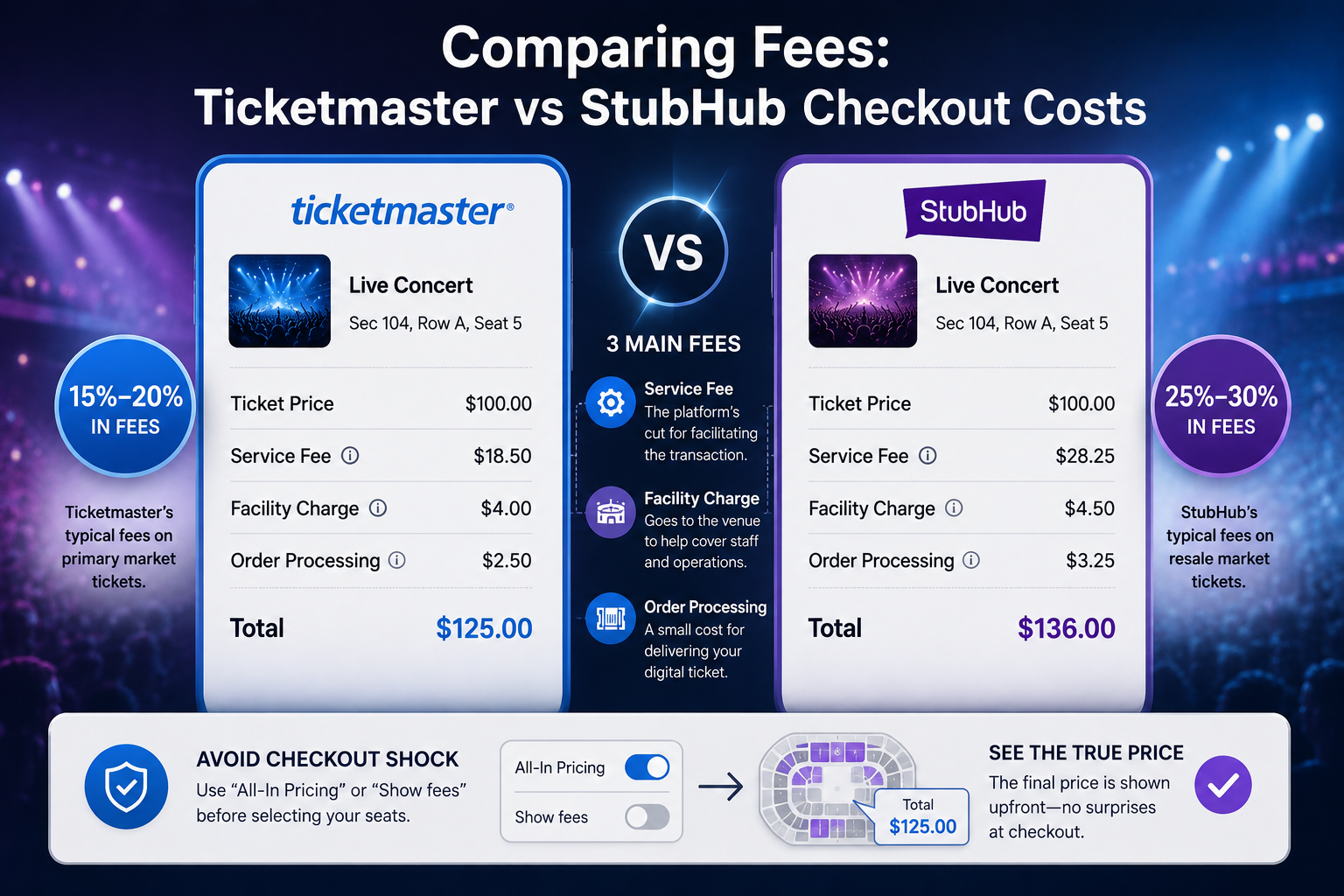
Stubhub and ticketmasterUnderstanding Primary vs Secondary Ticket Markets: Ticketmaster and StubHubYou wait in a digital queue for an hour to see a blockbuster tour, only to stare at a "Sold Out" screen. Frustratingly, those exact same seats often appear minutes later on another site for triple the cost. For the everyday fan, navigating StubHub vs Ticketmaster often feels like a rigged game.Live[…]
.png)
In the field of computer networks, port port is a familiar concept, acting as an important bridge in work Data transmission and connection between devices. Ports appear in both hardware and software, supporting effective communication between components in the system. So What is port?, what is its outstanding function and how is it classified? Let's go together Hidemium Antidetect Browser –[…]

Cherry Proxy (formerly known as 360Proxy) still maintains its position as one of the services trusted civil proxy on the market. The name has changed, but the core quality has not. If you have used 360Proxy before, you will feel familiar; if not, now is the perfect time to explore it in more detail.In this article, Hidemium will be comprehensively evaluated 360Proxy/Cherry Proxy 2025: from[…]
.png)
In the digital era, information security and privacy when accessing the internet are increasingly becoming the top concerns of users. MoreLogin appears as an antidetect browser, to effectively support users' anonymity and prevent online tracking activities. In this article, Hidemium will provide a comprehensive perspective on MoreLogin — from standout features to practical applications — making[…]

In the digital age, protecting your identity and managing multiple online accounts has become increasingly important. Proxy 911 S5 has been known as one of the most powerful and stable residential proxy solutions on the market. This article will help you understand what Proxy 911 S5 is, its pros and cons, and whether this is the right tool for your security, business, or automation needs. Let's[…]
.png)
In multi-account operations, e-commerce monitoring, and ad verification scenarios, browser environment isolation and reliable proxy services have become essential “infrastructure.” For users of multi-account browsers like Hidemium, choosing a stable, secure, and widely covered residential proxy service is crucial.This article will introduce you to IPPeak, explain why it’s worth considering, and[…]
