
In the modern e-commerce landscape, Amazon is no longer simply a sales website. By 2026, the platform will have evolved into a complex ecosystem, combining direct retail and intermediary platforms for millions of businesses worldwide.
To the average user, Amazon.com looks like a single store. However, behind that is a dual model: it's both a retailer (Amazon sells directly) and a marketplace where third parties sell their products. The entire system runs on Amazon Web Services infrastructure, using services like Amazon EC2 and Amazon S3 to ensure smooth global transaction processing.
Understanding the differences between items directly distributed by Amazon and those from the Marketplace not only helps buyers make more informed decisions, but also helps sellers optimize their operational strategies, capital, and supply chains. In this article, Hidemium will analyze it in detail together.
1. Are you buying from Amazon or a third party? How to read the "Sold by" section.”
Although the Amazon.com shopping interface is designed to be seamless, product origin plays a crucial role throughout the entire transaction process—from payment to shipping and after-sales service. Therefore, identifying the real seller is the first step in minimizing buying risks.
To differentiate, simply check the information area near the "Add to Cart" or "Buy Now" button, where two important elements are displayed:
"Ships from": indicates the unit responsible for processing and delivery. If Amazon is displayed, the product will be shipped from their warehousing system.
"Sold by" This is the deciding factor. If it displays a specific brand or store name, you're buying from a third-party seller on Marketplace (usually managed through Seller Central). If it displays Amazon, it's a product sold directly by Amazon (usually related to the Vendor Central system).
Understanding these two pieces of information will help you better control your shopping experience, from product quality to return policies and after-sales support.
>>> Learn more: 7 ways to make money on Amazon in 2025
2. How is Amazon Marketplace different from Amazon.com?
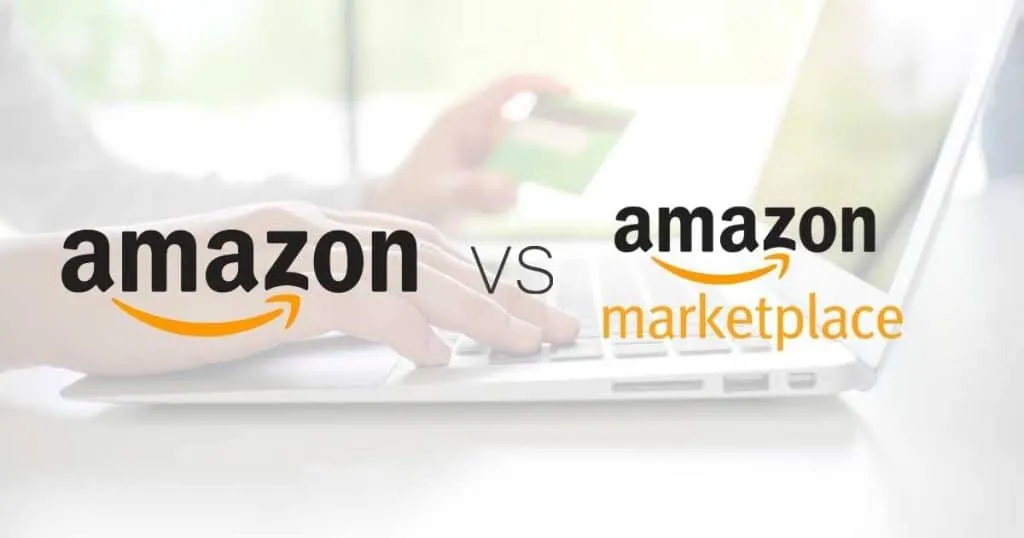
Although operating on the same platform, Amazon's retail model is actually divided into two completely different approaches: Amazon Retail and Amazon Marketplace. One acts as a traditional retailer, while the other is more like a "digital landlord" providing infrastructure for external businesses to operate.
With Amazon Retail, the platform directly sources goods from manufacturers, owns inventory, and controls the entire process from pricing to sales. In contrast, on the Marketplace, third-party sellers retain ownership of the products, determine pricing, and are responsible for the source of their goods—which could be domestically produced, imported, or even used. This difference creates two very different shopping experiences, even though both are displayed on Amazon.com.
2.1 Why do products sold by Amazon often qualify as Prime?
Products sold directly by Amazon are almost always in brand-new condition. Due to tight control over the supply chain and warehousing system, Amazon can guarantee consistent quality and reliable delivery times. This is why these products are often prioritized in the Prime program, providing a fast and trustworthy experience for buyers.
2.2 Why does Marketplace have a more diverse product catalog?
The Marketplace is what allows Amazon to expand its product catalog almost indefinitely. Thanks to the participation of millions of independent sellers, the platform can offer many niche products or specialized items that Amazon Retail does not directly sell. Furthermore, it is also a hub for used or refurbished products, giving buyers more choices at various price points, especially suitable for customers who want to optimize their spending.
3. Should you sell on Amazon or Marketplace in 2026?
When joining the Amazon ecosystem, sellers need to choose a model that suits their business strategy. Each program has distinct differences in terms of brand control, operations, and logistics costs.
Vendor Central is a wholesale-style partnership model, typically for large manufacturers. In this case, you sell directly to Amazon, and the platform handles pricing, warehousing, and customer service. This reduces operational burden but also results in the loss of control over your brand and pricing.
Opposite, Seller Central is the most popular option for individuals and businesses wanting to sell directly on Amazon.com. This model gives you complete control over pricing, branding, and operational methods—whether you handle orders yourself or use Amazon's fulfillment system.
Additionally, Amazon also offers a less common model: Amazon Advantage is suitable for content creators such as book authors, music producers, or DVD producers. With this model, you ship your goods to Amazon's warehouse, and the platform handles the rest once the products are sold.
Choosing the right business model not only impacts profitability but also determines the ability to expand and build a long-term brand on the Marketplace.
>>> Learn more: 17 Amazon SEO tools to help your products stand out and increase sales.
4. How can I tell if a product on the Marketplace is trustworthy?
When purchasing from third parties on Amazon.com, managing transaction risks is crucial. To maintain trust within the ecosystem, Amazon has implemented various safeguards to balance the interests of both buyers and sellers.
One of the most important layers of protection is the program A-to-Z Guarantee is seen as a "shield" that helps buyers feel more secure when transacting with Marketplace sellers. In cases where the received product does not match the description or is not delivered, Amazon will handle the issue and ensure customer rights are protected. At the same time, this mechanism creates a clear process for resolving disputes, helping to limit fraudulent activities.
In addition, buyers should also pay attention to each seller's return policy. Unlike items directly distributed by Amazon (which has fairly standard return policies), sellers on Marketplace can set their own policies. Therefore, before buying, you should carefully check the "Returns" section in the seller's profile to avoid unnecessary problems, especially with products in specialized categories.
5. What are the actual costs of doing business on the Marketplace?
To operate effectively on Amazon Marketplace, sellers need to understand the cost structure. A lack of understanding of these fees can significantly erode profits even as revenue grows.
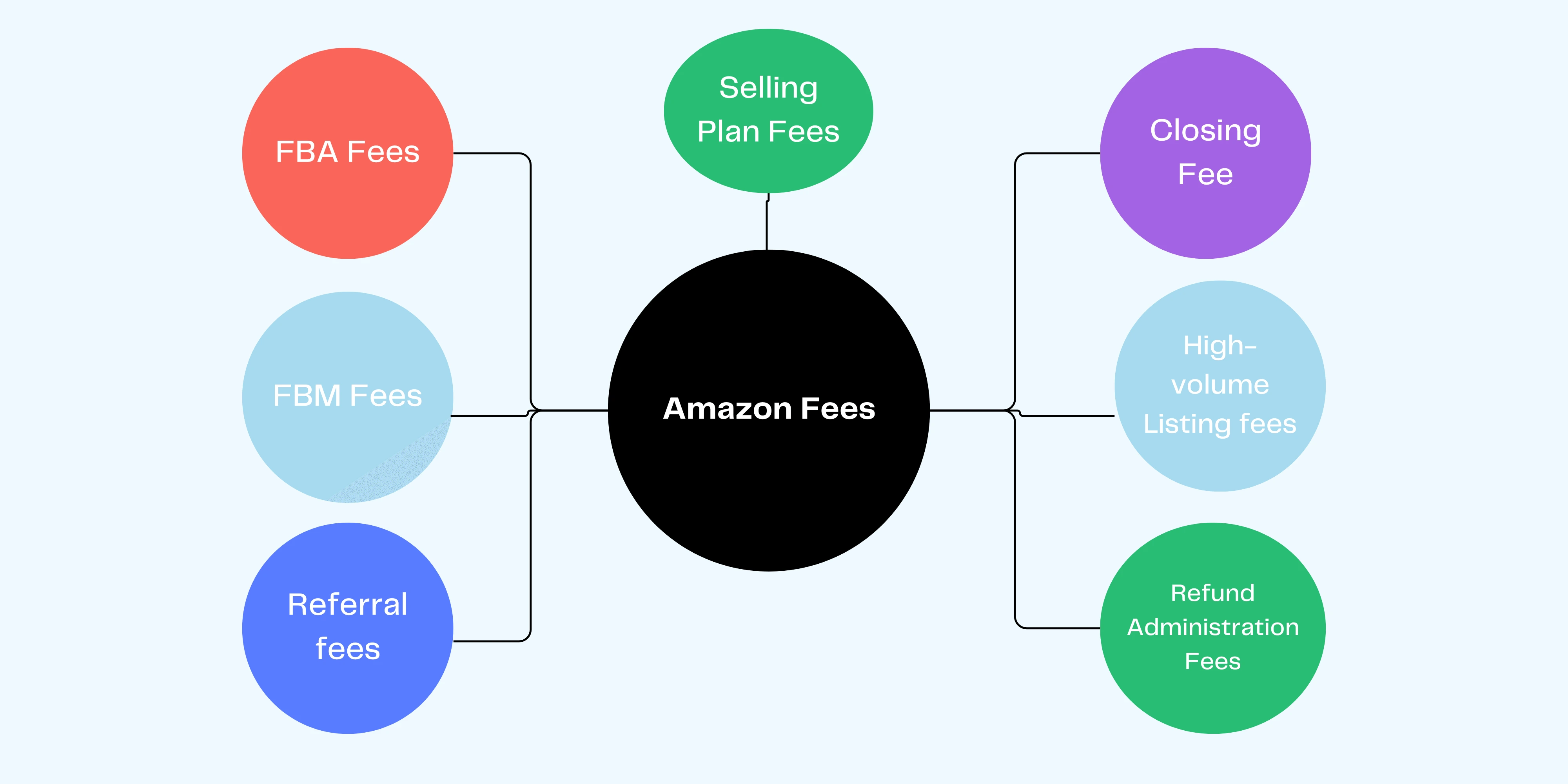
First, choose a sales package. With individual package, Sellers don't need to pay monthly maintenance fees; instead, they will incur a cost of approximately $0.99 per product sold. This is a suitable option for those who are just starting out or have low order volumes. Conversely, professional package requires a fixed monthly fee (approximately $39.99), but eliminates the per-product fee and is more suitable for businesses operating long-term.
In addition to the package cost, sellers must also factor in other operating expenses. The most common are: referral fee — Amazon's commission on each order, typically ranging from 8% to 15% depending on the category. For some categories like books, music, or DVDs, additional fees may apply transaction closing fee, If sellers use Amazon's Fulfillment by Authentication (FBA) service, they will also incur additional costs for warehousing, packaging, and shipping.
Understanding the entire cost structure not only helps you price your products fairly but is also a key factor in building a sustainable business strategy on the Marketplace.
>>> Learn more:Effective strategies to increase sales on Amazon
6. FBA vs FBM: Who will handle shipping and returns?
Within the Amazon ecosystem, logistics strategy plays a crucial role in expanding sales. Sellers need to decide who will be responsible for warehousing, packaging, shipping, and handling returns—because this choice directly impacts customer experience and sales performance.
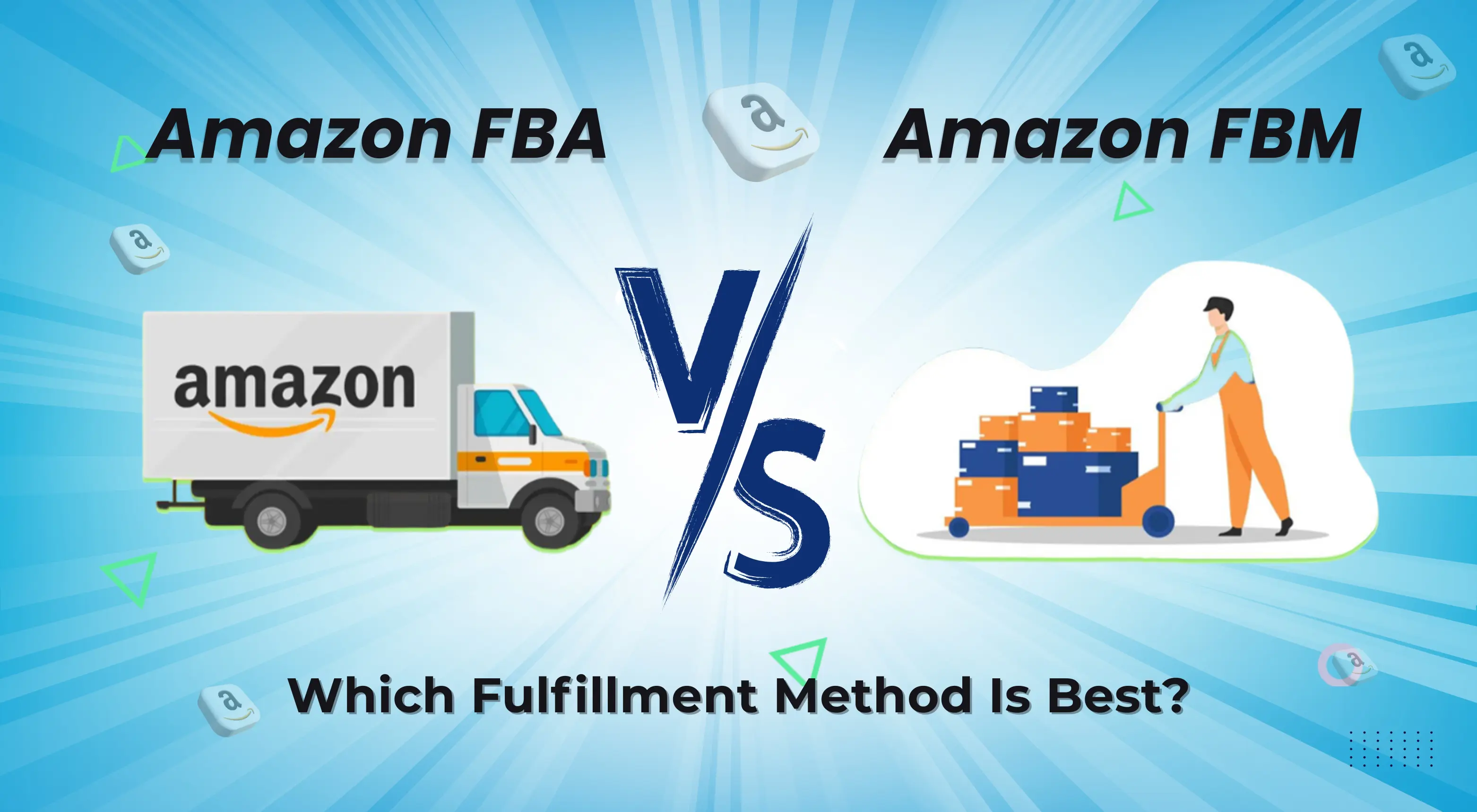
With Fulfillment by Amazon (FBA), Sellers can "outsource" the entire logistics process to Amazon's warehousing system. When using FBA, products are labeled Prime—a huge advantage because Prime customers tend to spend significantly more. Additionally, participating in FBA increases product visibility and competitiveness in the Buy Box, potentially leading to significantly improved sales.
Opposite, Fulfillment by Merchant (FBM) allows sellers to manage the entire shipping process themselves. This approach is suitable for businesses that want to control costs or already have their own logistics system. Some advanced sellers also combine FBM with seller-handled solutions like Prime or third-party shipping services to optimize efficiency. Additionally, using a combined model or 3PL (third-party logistics) services is also a popular choice when handling bulky or slow-turnover products.
7. Manage multiple Marketplace stores more safely and efficiently.
As businesses scale up on Amazon.com, operating multiple stores simultaneously brings with it the risk of account linking. Platforms like Amazon often use various signals to detect connections between accounts, and without proper management, you risk having your account restricted or locked.
This is where tools like Hidemium become useful for separating and managing work environments more securely. Instead of logging into multiple accounts on the same browser, Hidemium allows you to create separate profiles, minimizing the risk of data duplication and traces.
For each store, you can set up an independent browser environment—including separate cookies, storage, and login sessions. This helps accounts operate separately, minimizing the risk of unwanted links being detected.
Additionally, Hidemium supports flexible fingerprint configuration for each profile. This allows each store to maintain a consistent "digital identity," avoiding unusual activity during multiple logins or operations.
Another important feature is the ability to set up separate proxies for each profile. This makes it easy to segment environments by geographic region or operational needs, which is especially useful when running a multi-market business.
Finally, with its permission-based profile sharing feature, Hidemium makes it easy for operations teams to collaborate without directly sharing primary login credentials. This is a crucial factor in ensuring both security and optimizing the efficiency of managing multiple stores simultaneously.
>>> Learn more: How to create and manage multiple Amazon accounts in 2026 (without getting banned)
8. Is Amazon Marketplace still worth starting in 2026?
In 2026, Amazon Marketplace will still be one of the strongest e-commerce platforms, but that comes with increasing competition and demanding operational requirements. Whether or not to join depends on how you weigh the benefits against the risks.
On the one hand, you can instantly reach a huge customer base on Amazon.com without building traffic from scratch. However, this comes with intense competition, especially in securing Buy Boxes—where prices are often algorithmically optimized and can directly impact product visibility.
In terms of operations, Amazon's logistics system (especially FBA) offers a huge advantage in delivery speed and user experience. However, in return, sellers must accept a relatively high cost structure, including referral fees and fulfillment fees, which can easily narrow profit margins if not properly managed.
Furthermore, Amazon's global reputation makes it easier for products to build trust with customers, but it also comes with very strict compliance standards. Seemingly minor errors, such as using an invalid UPC code, can lead to listing removal or, more seriously, affect the entire account. Therefore, the Marketplace is more suitable for sellers who are willing to invest seriously and operate systematically.
9. Frequently Asked Questions about Amazon Marketplace
1. Why is it called a "Marketplace" even though it's still on Amazon.com?
Because Amazon acts as an intermediary platform where millions of independent sellers offer products, it creates a competitive environment where many vendors can sell the same item on Amazon.com.
2. Is it safe to buy high-value electronics on the Marketplace?
Yes, as long as you make the transaction through Amazon's official payment system. Additionally, buyers are protected by the A-to-Z Guarantee, even for large orders.
3. How can I tell if my order was shipped from Amazon or the seller?
You just need to check the "Ships from" section. If it shows Amazon, the product is being processed from an FBA warehouse. If it shows the seller's name, they are operating independently using the FBA model.
4. Is Marketplace's delivery speed the same as Amazon Retail's?
Not entirely. Products sold directly by Amazon are typically optimized for Prime. With Marketplace, the speed is only comparable if the seller uses FBA or participates in a seller-run Prime program.
5. Is it possible to sell used items on the Marketplace?
Yes. Marketplace allows the sale of both new and used goods. Meanwhile, the Vendor Central model is usually only applicable to new, sealed items from the manufacturer.
6. Why does Amazon still charge a referral fee even though I run my own business?
This fee is considered a cost for "potential customers." Amazon provides traffic, a secure payment system, and global brand reputation—factors that directly help you generate sales.
10. Conclude
In 2026, Amazon Marketplace will be more than just a sales channel; it will be a comprehensive e-commerce ecosystem where opportunities and challenges go hand in hand. Understanding how Amazon operates—from the differences between Retail and Marketplace, the FBA and FBM models, to the platform's cost structure and regulations—will help you make more informed decisions when joining.
For buyers, understanding the product's origin and each seller's policies helps minimize risks and optimize the shopping experience on Amazon.com. For sellers, success doesn't come from "bending the rules," but from building a well-structured operational strategy, controlling costs, and utilizing the right tools.
In an increasingly competitive environment, combining Amazon's powerful platform with supporting solutions like Hidemium to manage multiple accounts and optimize operations will be a significant advantage, helping you achieve sustainable growth and minimize long-term risks.
Related Blogs

What is Turbo VPN is the question many people ask when looking for a tool to help personal information security and Bypass regional content access restrictionsIn this article, Antidetect Browser Hidemium will explore Turbo VPN in detail with you - from concept, outstanding features to how to use it effectively on devices like Windows, Android and iOS.1. What is Turbo VPN?Turbo VPN is a trusted[…]
.png)
In multi-account operations, e-commerce monitoring, and ad verification scenarios, browser environment isolation and reliable proxy services have become essential “infrastructure.” For users of multi-account browsers like Hidemium, choosing a stable, secure, and widely covered residential proxy service is crucial.This article will introduce you to IPPeak, explain why it’s worth considering, and[…]
.png)
If you're looking to enhance your online privacy or manage multiple social media, e-commerce, or ad accounts, Antidetect browsers are a crucial tool. With a wide range of options available, picking the right one can be a daunting task. To help you navigate, we've researched and compiled a list of the best Antidetect browsers for 2024. 1. What Are Antidetect Browsers?An Antidetect Browser is a[…]
.png)
Hidemyacc is an Antidetect Browser software designed to protect users from online threats. It offers robust security features and anti-phishing measures, enabling users to create and manage multiple virtual accounts safely and efficiently.In terms of pricing, Hidemyacc is comparable to Hidemium. But does Hidemyacc truly meet expectations in terms of features and quality like Hidemium? Let’s[…]
.png)
The Secret to Flawless Writing in the AI Era: A Deep Dive into BypassGPT and Undetectable AILet’s be honest: the way we write has changed forever. Whether you are a college student pulling an all-night session or a non-native English speaker trying to land a remote job, AI has likely become your silent co-pilot. But there is a growing shadow over this digital revolution—AI detection.You spend[…]
AdsPower vs Hidemium: Full Comparison 2026AdsPower vs Hidemium: quick answerAdsPower vs Hidemium is a comparison between two antidetect browser platforms used for browser profiles, proxies, team workflows, and multi-account operations. AdsPower is often considered by account-heavy users, especially in e-commerce and social workflows. Hidemium is a stronger fit for teams that want flexible browser[…]
