

Choosing the right eCommerce platform is a crucial step for online sellers to showcase their products effectively. While Amazon is a popular choice for many, other platforms like Shopify and Etsy are also worth considering.
So, how do Shopify and Etsy compare?
Both platforms offer unique advantages for beginners. However, what works on one platform might not be suitable for the other. So, how do you determine which one is the ideal solution for your business?
This article will delve into the pros and cons of Shopify and Etsy, analyzing their features and costs to help you make an informed decision.
1. Shopify – The Most Popular eCommerce Platform
Shopify is one of the world’s most preferred eCommerce platforms, with over 1 million users and a total revenue of $82 billion. It’s the perfect solution for those who want to build their online store from scratch. Shopify offers over 70 customizable templates, allowing you to create a unique storefront. You can even set up a branded URL to enhance brand recognition.
1.1 Key Features of Shopify:
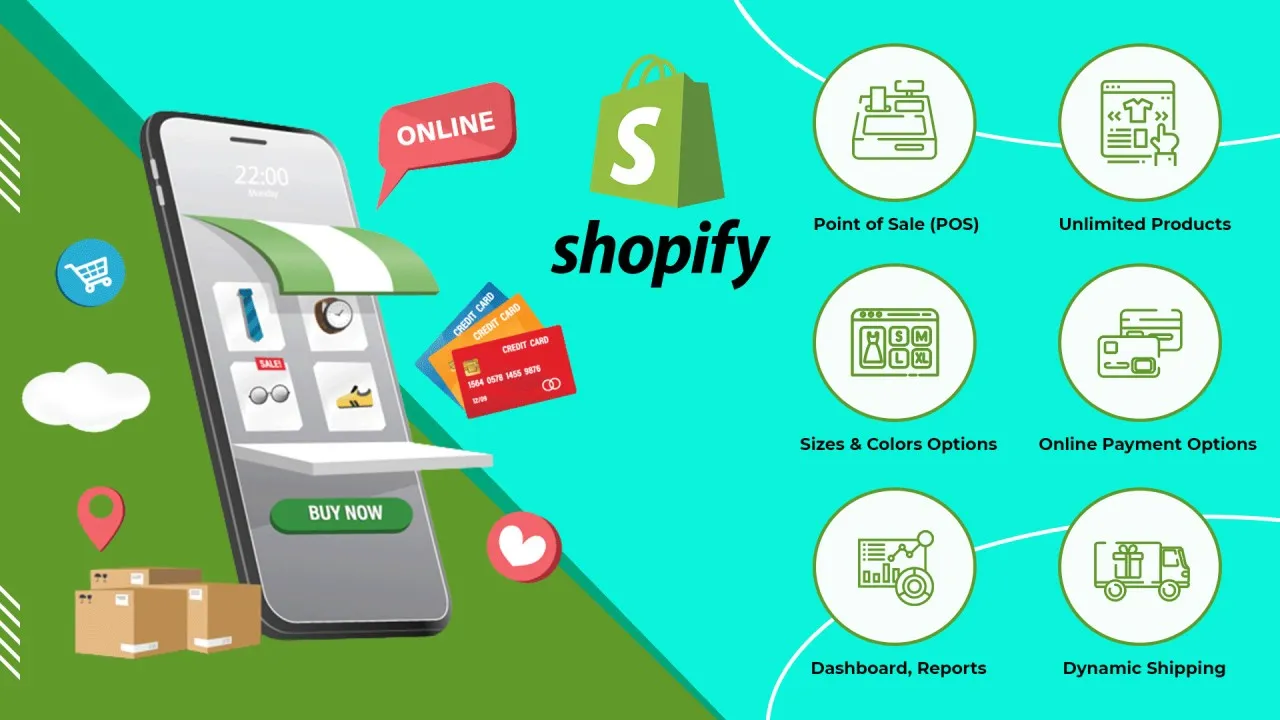
Shopify Payments: An integrated payment system that processes credit and debit card transactions without additional fees for sellers.
Shopify Email: An email marketing automation tool that allows up to 2,500 emails to be sent free with every plan.
Shopify Shipping: A professional shipping service with label printing and exclusive discounts from partners like DHL Express, UPS, and USPS.
Shopify Apps: A wide range of integrated apps to optimize business operations, including customer service, marketing, and multi-platform sales.
1.2 Shopify Pricing
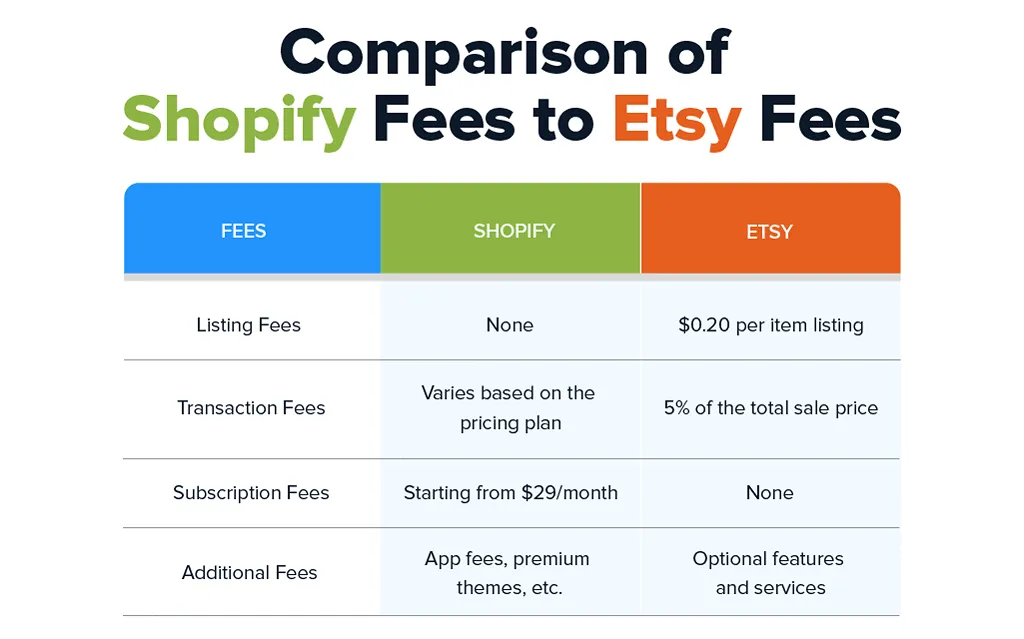
Shopify offers three flexible plans without any setup fees. Here's a detailed comparison:
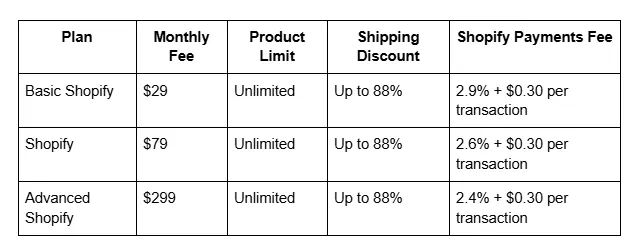
While all plans offer essential features, the Advanced Shopify plan includes additional benefits, such as:
Third-party shipping rate calculations.
Automated eCommerce workflows.
Import tax estimation and other related taxes.
Custom pricing for specific markets.
You can start with a 14-day free trial of Shopify before committing to a plan. Note that transaction fees only apply if you use a third-party payment gateway instead of Shopify Payments.
>>> Learn more: Which Proxy Should You Buy for Facebook, Amazon, Instagram, or Shopify?
2. Overview of Etsy
Etsy is considered a specialized e-commerce platform, distinctly different from Shopify and more akin to Amazon. It is an ideal platform for artisans and creators who specialize in selling handcrafted or vintage items. Additionally, Etsy is well-suited for small-scale shops that target niche customer groups.
2.1 Key Features of Etsy:
Product Catalog Management: Sellers on Etsy can easily interact with customers, upload products, track orders, print shipping labels, and manage the entire shipping process through the platform's dashboard.
Etsy Payments Service: This integrated payment system supports multiple methods, including credit cards, Google Pay, Apple Pay, and PayPal.
Pattern by Etsy: For $15 per month, Pattern allows sellers to create a standalone website, helping them scale their business and establish their personal brand.
According to a NerdWallet report, in 2018, Etsy boasted over 39.5 million buyers and approximately 2.1 million sellers competing on the platform. This makes it an ideal environment to showcase unique products to customers, although the level of competition is quite high.
2.2 Service Costs
Etsy currently offers two service plans: Standard (free) and Plus ($10 per month). Both plans come with the following basic fees:
Listing fee: $0.20 per product listing.
Transaction fee: 5% of the order value.
Payment processing fee: 5% plus $0.50 per transaction.
The Etsy Plus plan provides additional premium features, including customizable storefront design and automated email tools. Sellers who use the Plus plan also receive 15 free product listings and a $5 credit for Etsy advertising campaigns.
>>> Learn more: Starting on Etsy: How to Create and Drive Traffic to Your Store
3. Shopify vs Etsy – A Detailed Comparison for Online Sellers
Both Shopify and Etsy offer different approaches to achieving success in e-commerce. So, which platform should you choose? Let’s explore the pros and cons of each to help you make the best decision.
3.1 Shopify
Pros:
Flexible Store Builder: Shopify is a comprehensive e-commerce platform that allows you to build an online store from scratch with full features and management control.
Scalability: Shopify is suitable for both small and medium-sized businesses, giving you complete control over branding, pricing, and customization.
Unlimited Products: There’s no limit to the number of products you can sell on Shopify.
Cons:
Steep Learning Curve: With its many features, Shopify can take time to master.
Customer Acquisition Responsibility: Attracting customers depends entirely on your marketing strategies. Shopify doesn’t automatically drive traffic to your store.
Additional Costs: While Shopify offers many apps to support sellers, most come with extra fees.
3.2 Etsy
Pros:
Quick Setup: Etsy is a user-friendly platform that requires just a few simple steps to start selling.
Instant Traffic: Once you list your products on Etsy, they’re immediately visible to the platform’s large customer base.
Free Plan: Etsy provides a free basic plan, making it cost-effective to get started.
Cons:
Transaction Fees: Although Etsy’s basic plan is free, transaction and referral fees can impact profits, especially for small businesses.
Product Restrictions: Etsy focuses mainly on handmade and artisan products, limiting your ability to expand your catalog.
Limited Storefront Customization: There are few options to personalize your shop’s design, making it harder to build a unique brand identity.
4. Conclusion
You don’t have to stick to just one platform. In fact, you can connect Shopify and Etsy using third-party integration apps, allowing you to manage and promote your products on both platforms simultaneously.
Both Shopify and Etsy are powerful tools for increasing revenue and reaching potential customers. Depending on your specific needs, choose the platform that best supports the growth of your online store.
To maximize the benefits of both platforms, consider combining them with Hidemium Antidetect Browser. Hidemium makes it easy to manage multiple accounts, protect your personal data, and improve your operational efficiency. Sign up now to enjoy three free trial experiences and 1,000 free profiles with Hidemium!
Related Blogs
.png)
If you're looking to enhance your online privacy or manage multiple social media, e-commerce, or ad accounts, Antidetect browsers are a crucial tool. With a wide range of options available, picking the right one can be a daunting task. To help you navigate, we've researched and compiled a list of the best Antidetect browsers for 2024. 1. What Are Antidetect Browsers?An Antidetect Browser is a[…]
Multilogin vs Hidemium: Full Comparison 2026Multilogin vs Hidemium: quick answerMultilogin vs Hidemium is a comparison between two antidetect browser platforms used for browser profiles, proxy workflows, and multi-account operations. Multilogin is often seen as an established browser profile platform for professional users, while Hidemium is a strong choice for teams that want flexible profile[…]

Data represents a valuable asset for any organization. Financial records, employee details, and proprietary information all require protection. The boundaries of data security have shifted because cloud solutions and remote work continue to expand. Protecting this information demands a comprehensive approach to online privacy and security across the entire organization.Financial penalties,[…]

Have you ever searched for a pair of shoes online, only to see ads for them minutes later across every website you visit? Most people assume "Incognito Mode" stops this. In reality, standard private browsing only hides your local history from others using the same computer — external websites and ad networks continue tracking you without interruption.Every time you go online, you leave behind a[…]
.png)
Why You Might Need Two Venmo AccountsWhether you are launching a new side hustle, organizing payments for a community group, or simply trying to separate your weekend spending from your professional income, you might find yourself wondering about the logistics of your digital wallet. If you are asking yourself, can I have two Venmo accounts, you are certainly not alone. As our financial lives[…]

IPFoxy TikTok Proxy Review: Performance and How to Test Them TikTok’s global reach demands reliable residential proxies to avoid IP hopping flags and boost local traffic. Yet most proxies fall short—data center IPs get blocked, cheap options risk contamination, and blacklisted IPs trigger bans.Now we test IPFoxy’s residential proxies and share a review and tutorial to dodge these risks.1. Why[…]
